 READ CATALOGUE
 Register / Login


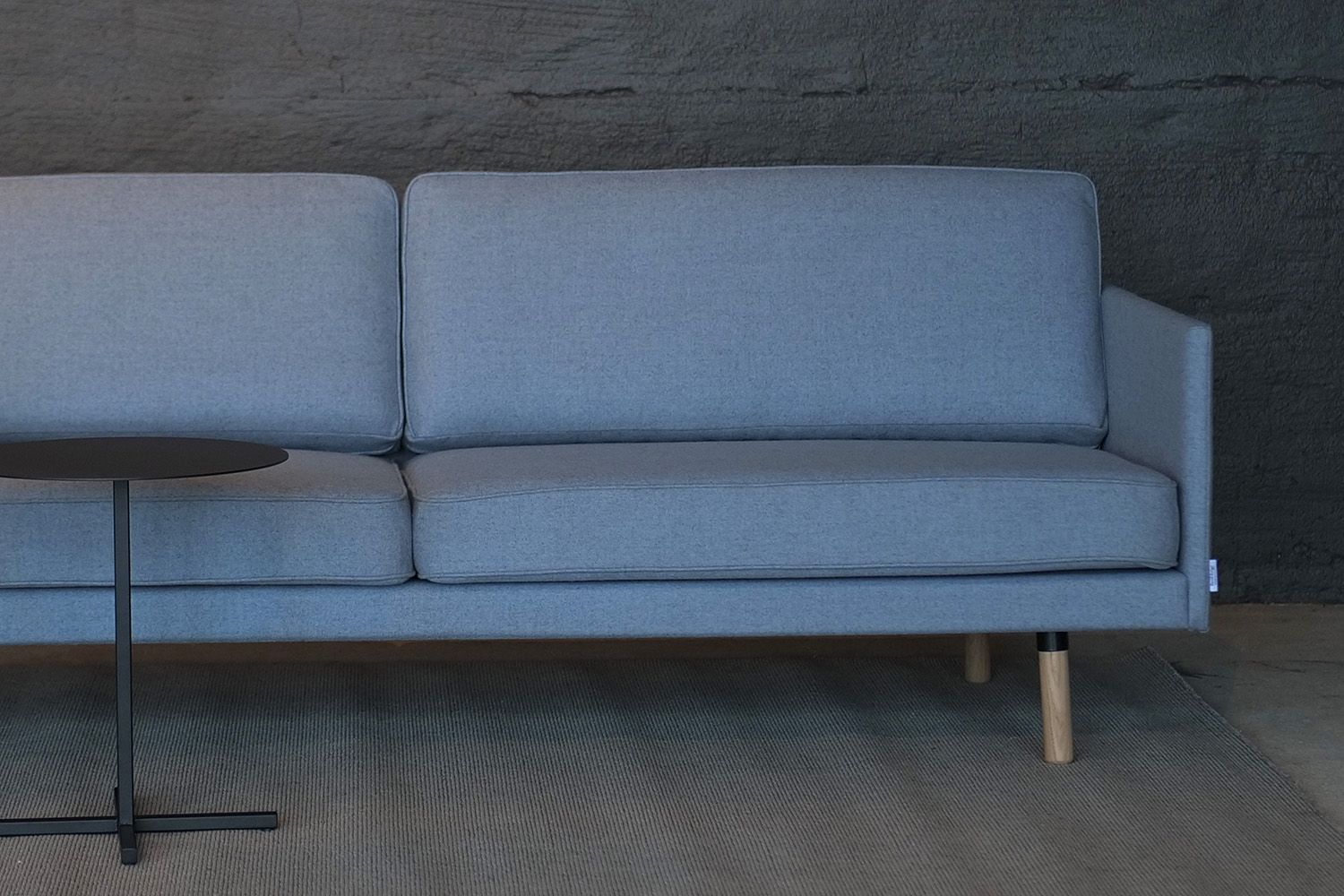
Textiles that shape the character of the furniture
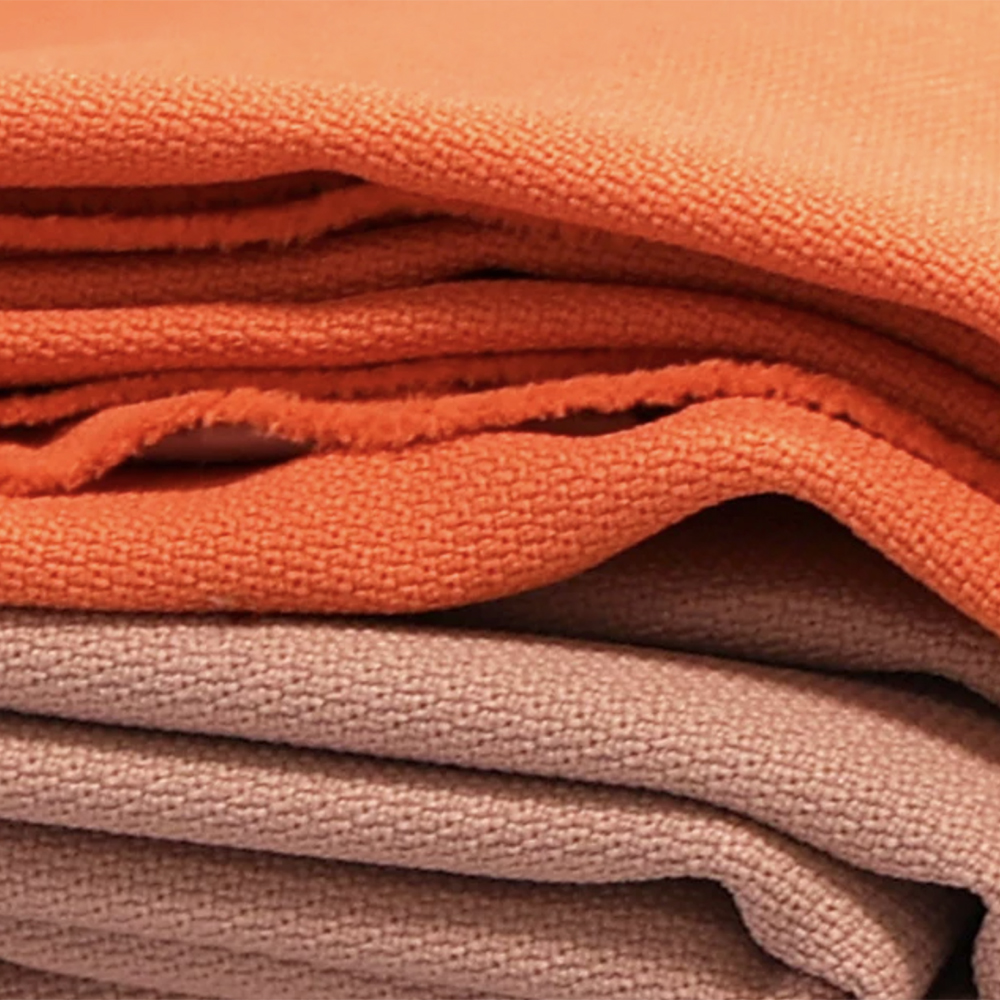
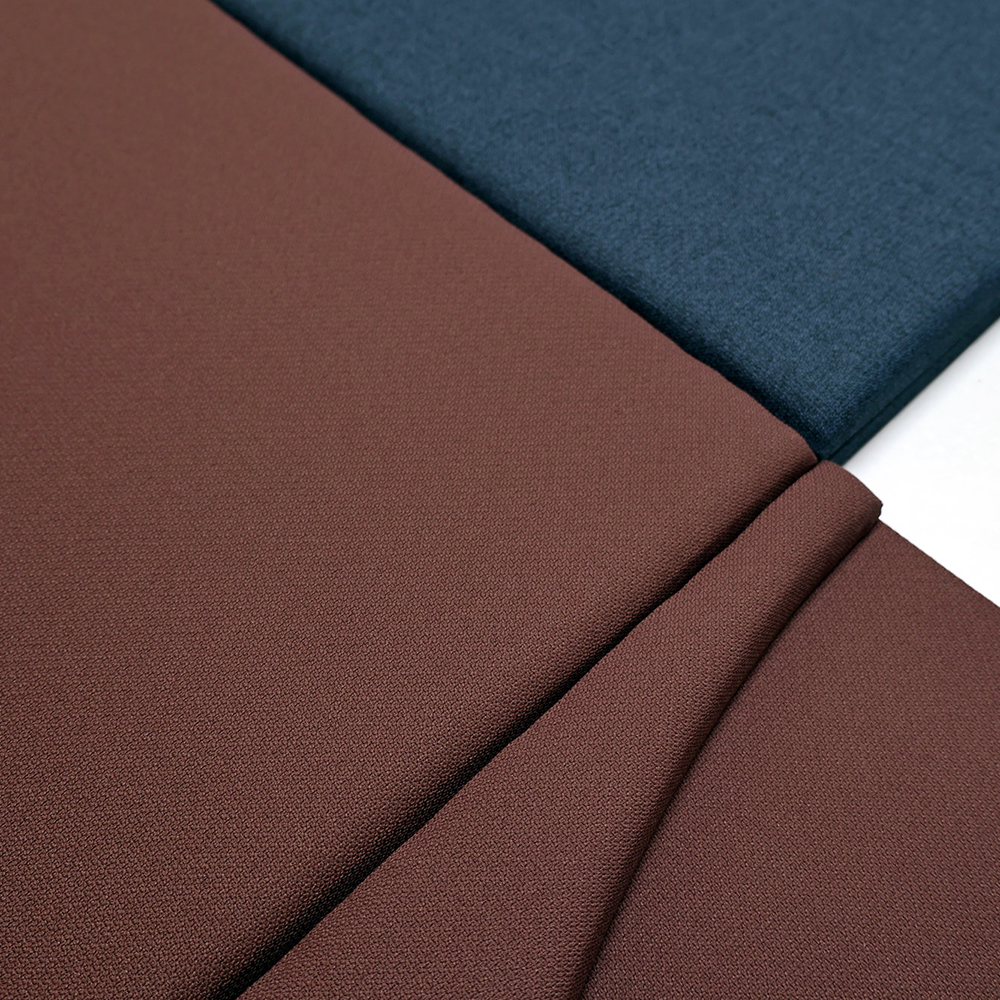
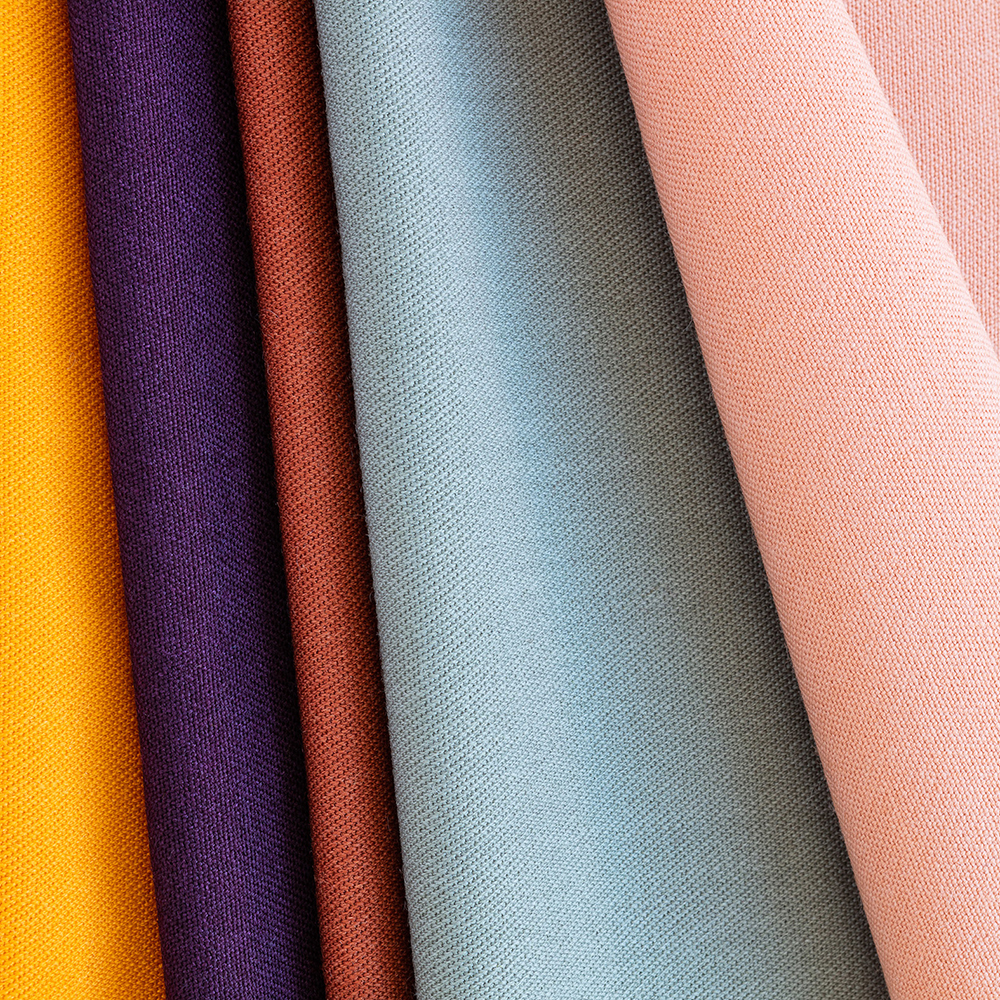
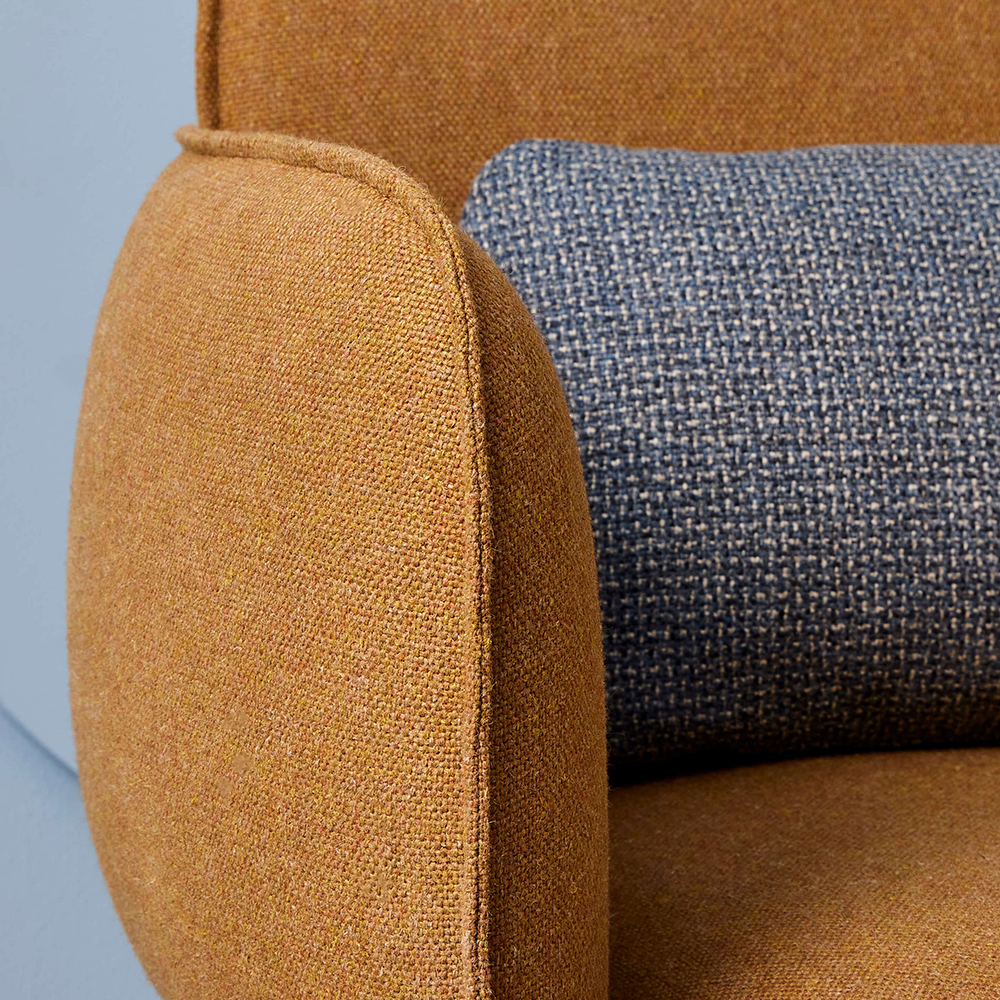
Textiles play a crucial role in the way furniture feels and is experienced. With the right colours, textures and materials, a chair, armchair or sofa can transform an entire space – from calm and harmonious to warm, creative and vibrant. It is not only about aesthetics, but also about comfort, functionality and how people experience the environment around them.
At David Design, we place great emphasis on quality, details and expression when selecting textiles for our furniture. Our seating furniture is designed to be used and appreciated for many years, which is why we work with carefully selected textiles that combine durability with a strong sense of design.
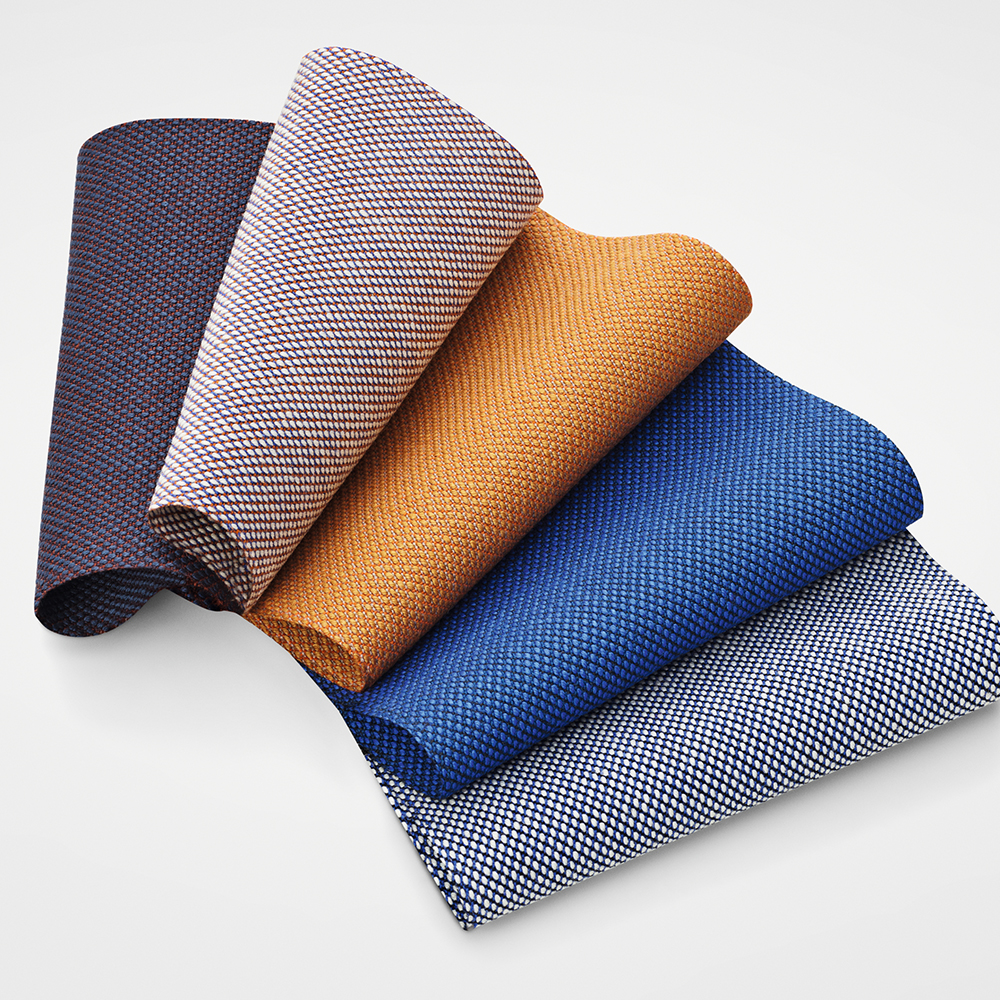
In addition to our standard range, we also offer a selected collection of PROJECT TEXTILES.
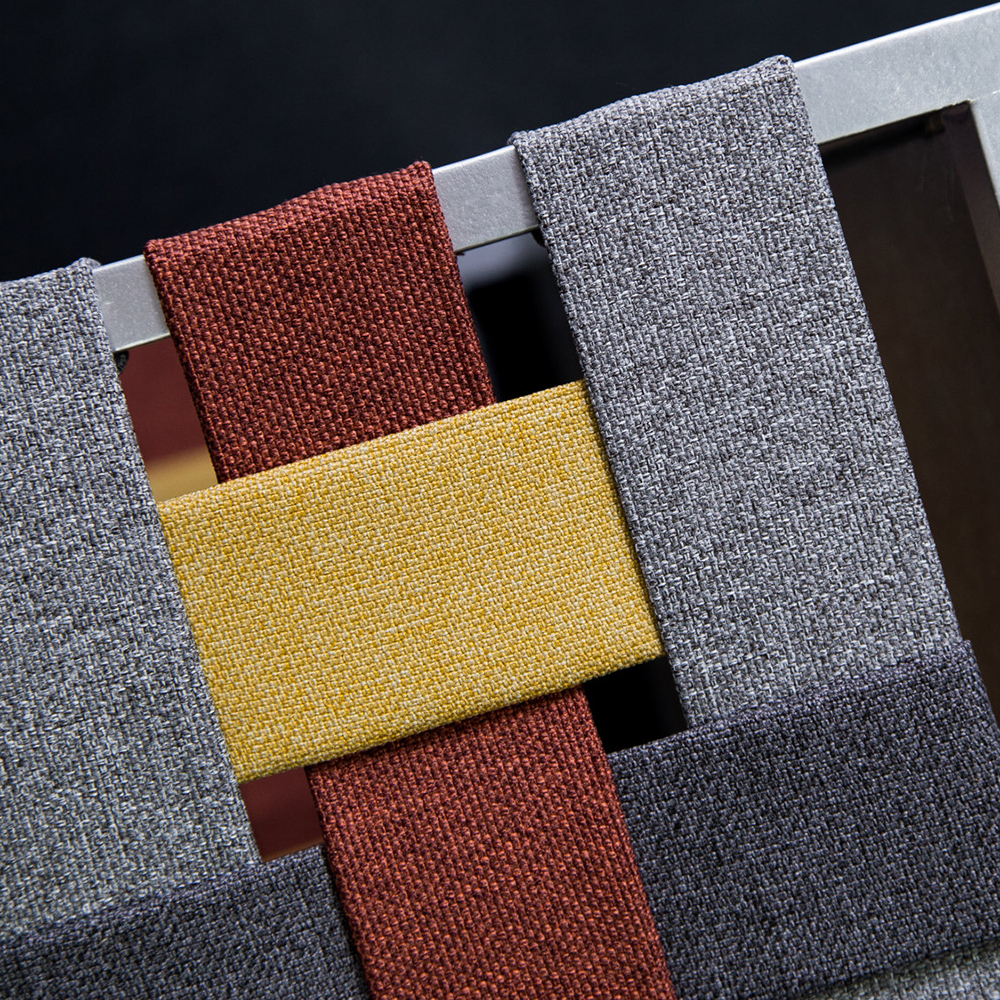


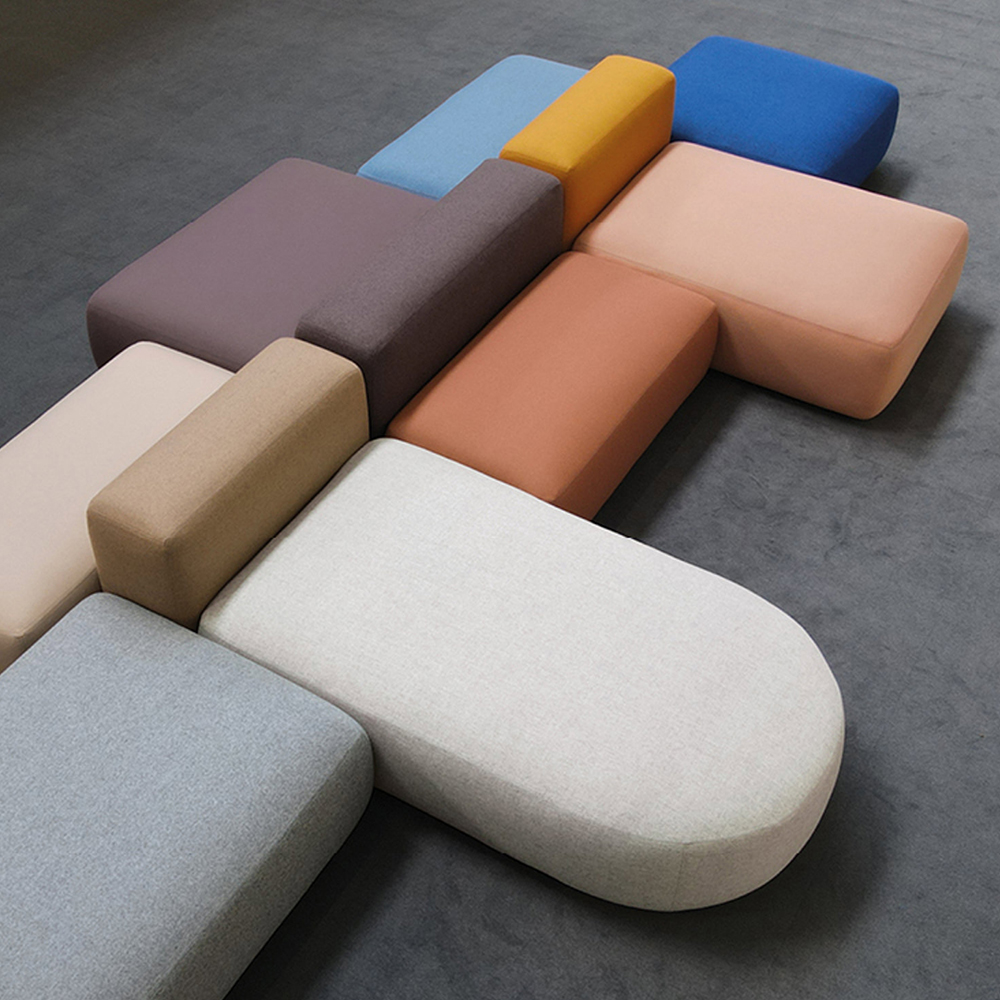

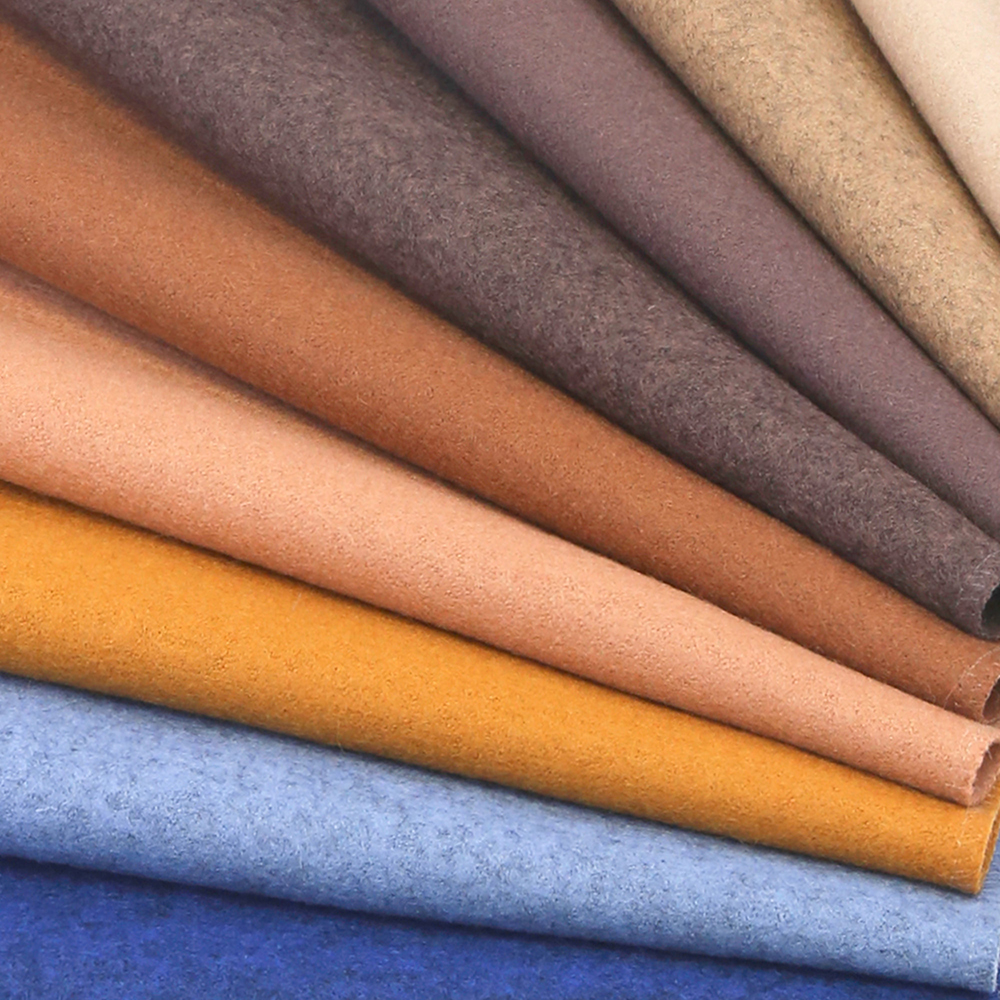
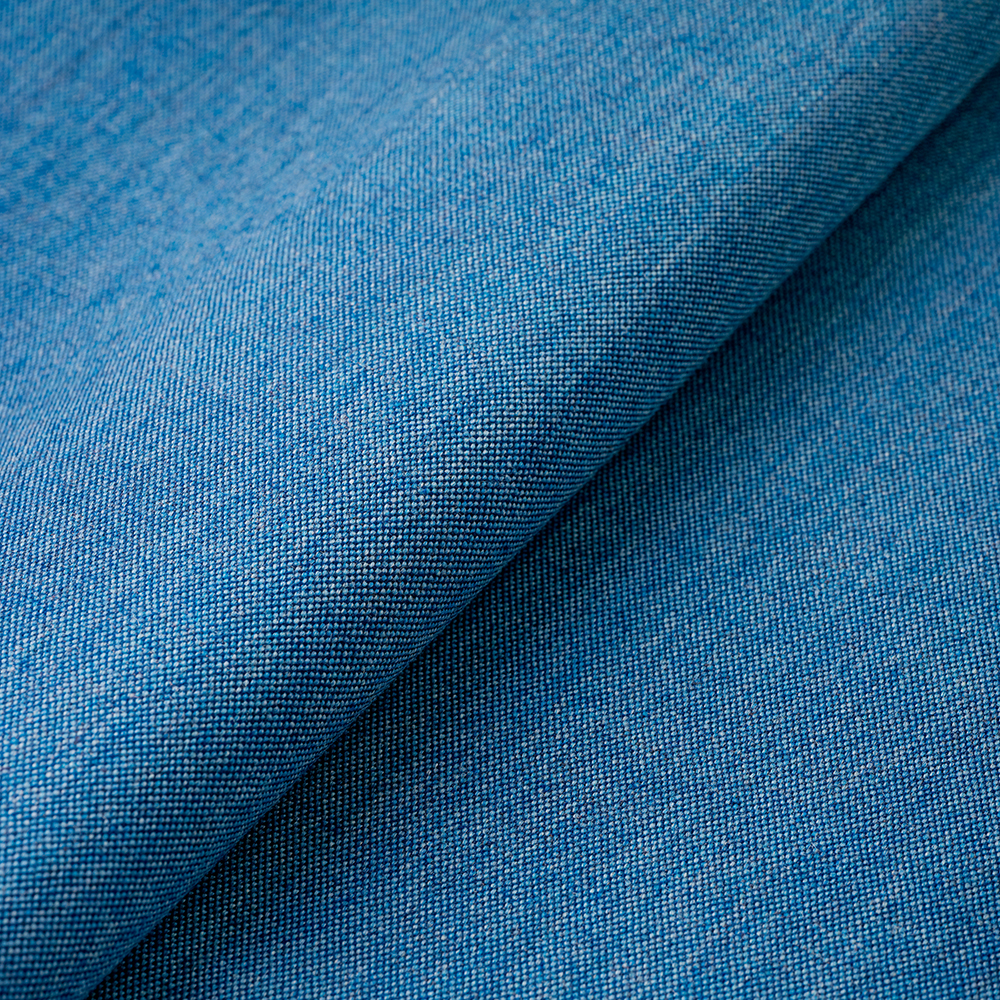
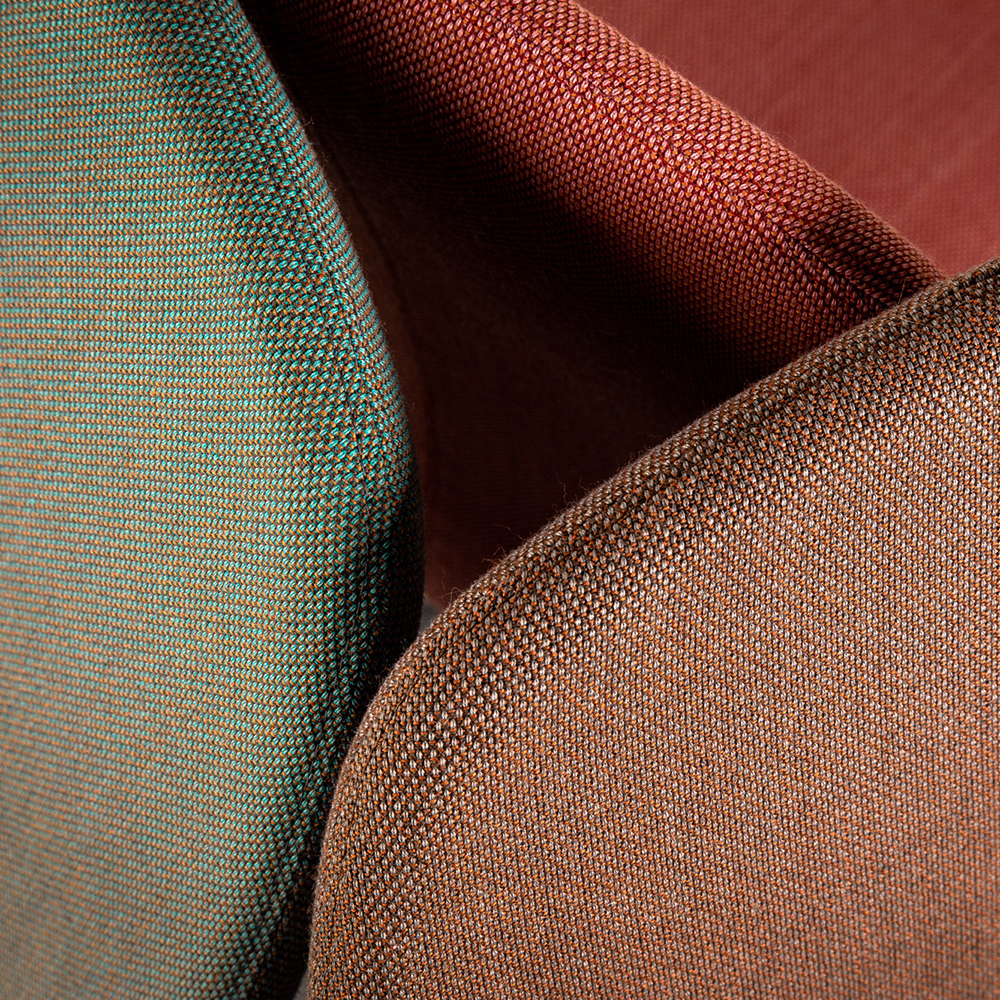
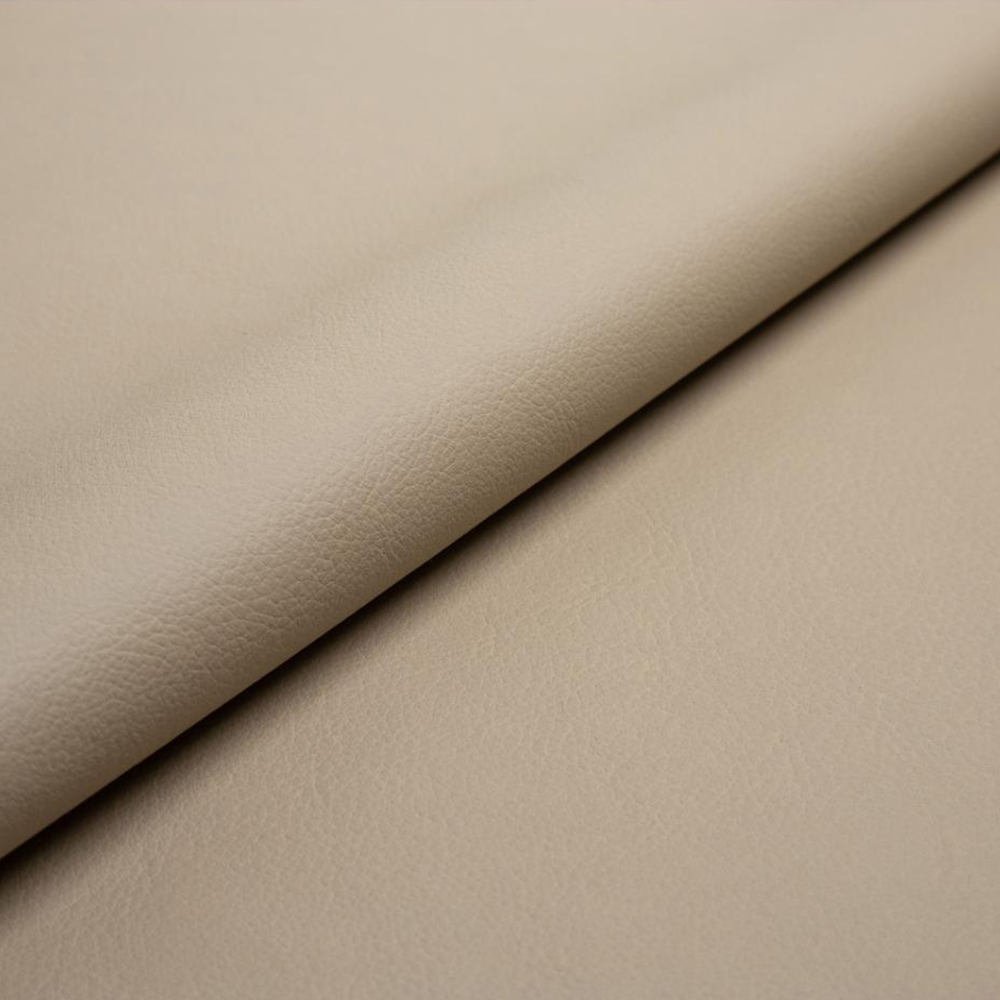
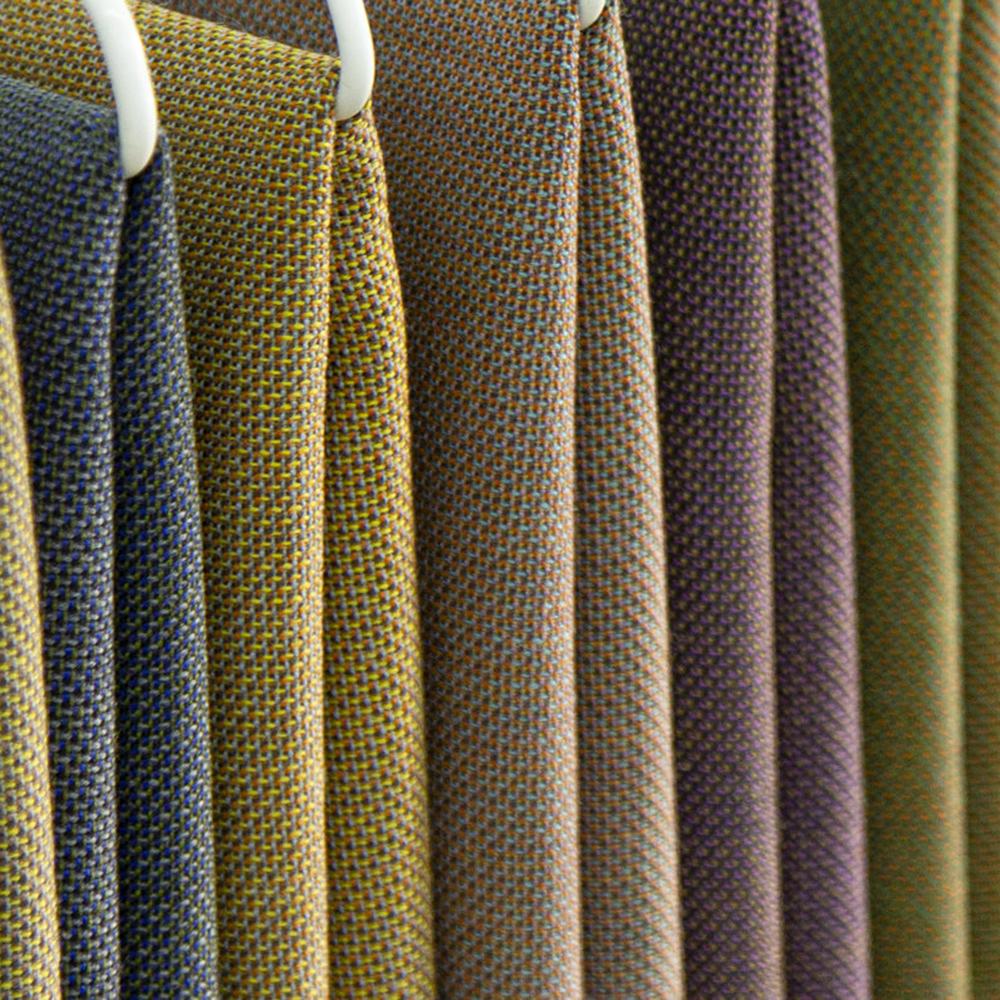
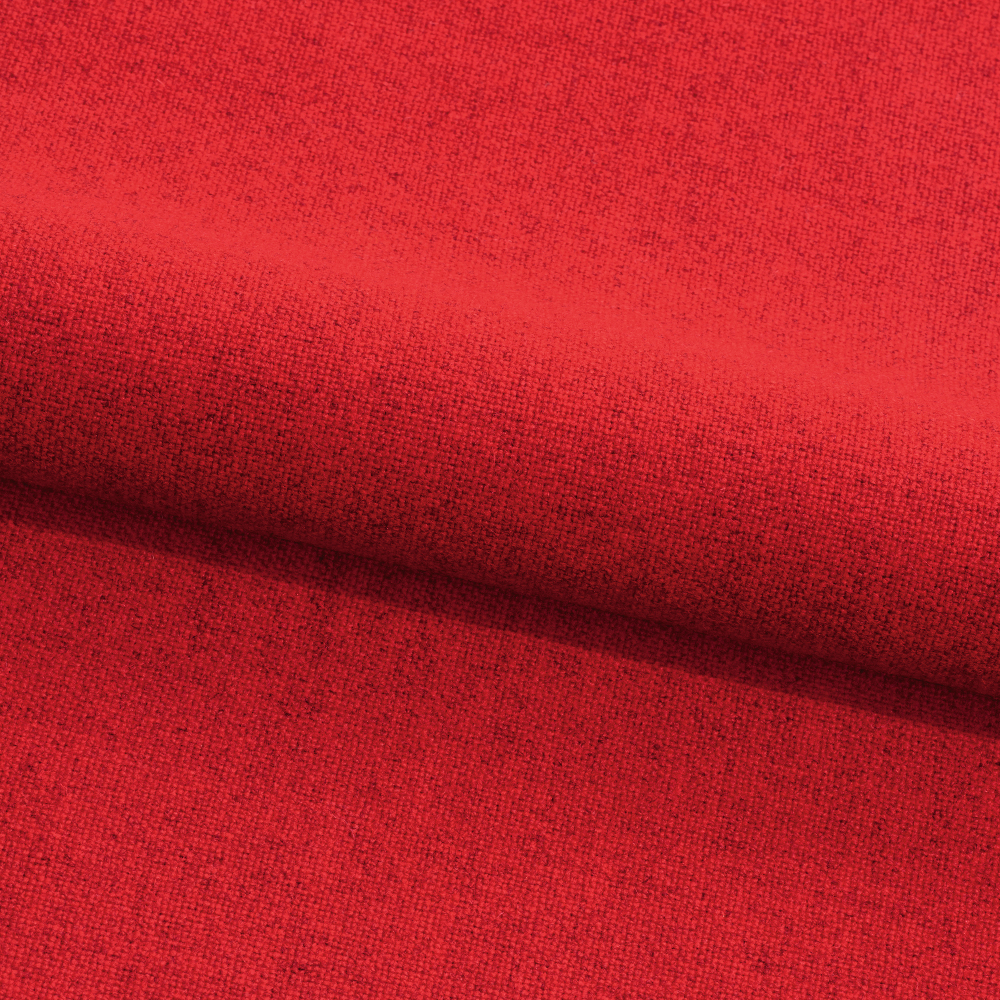
Price class C
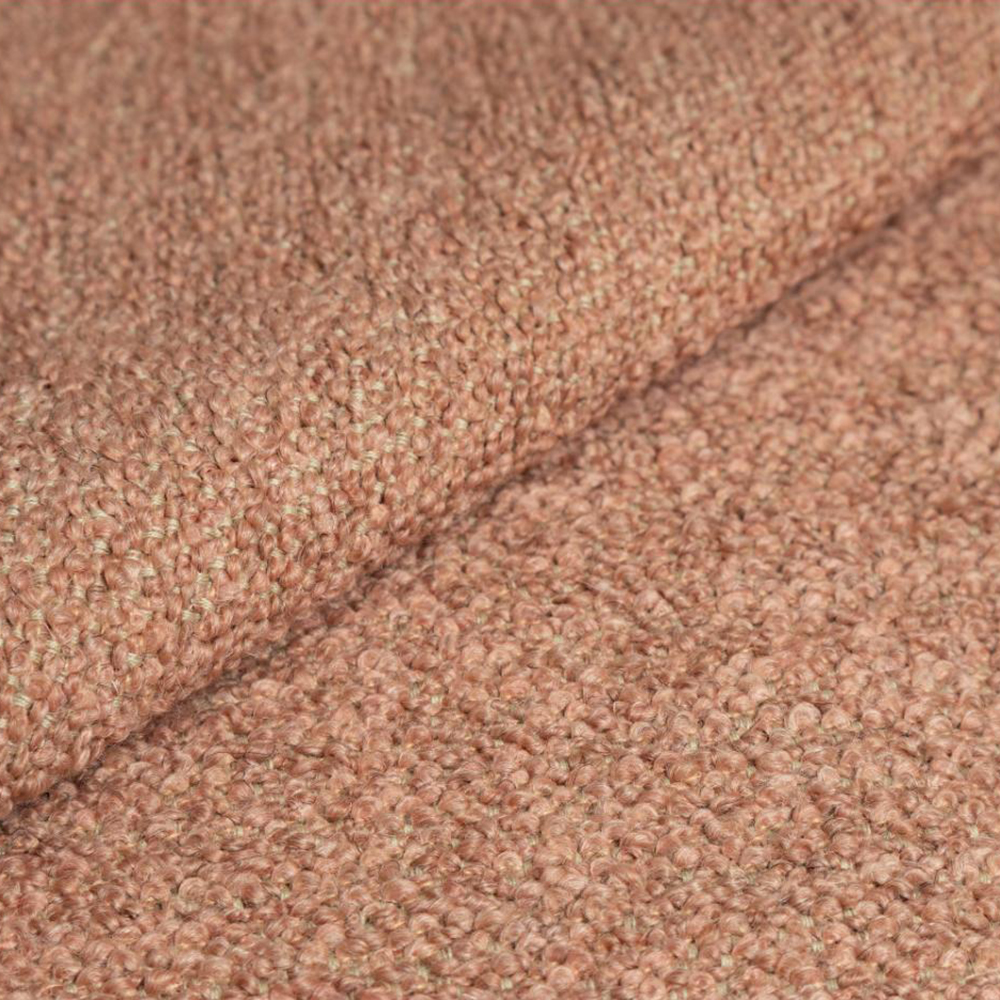
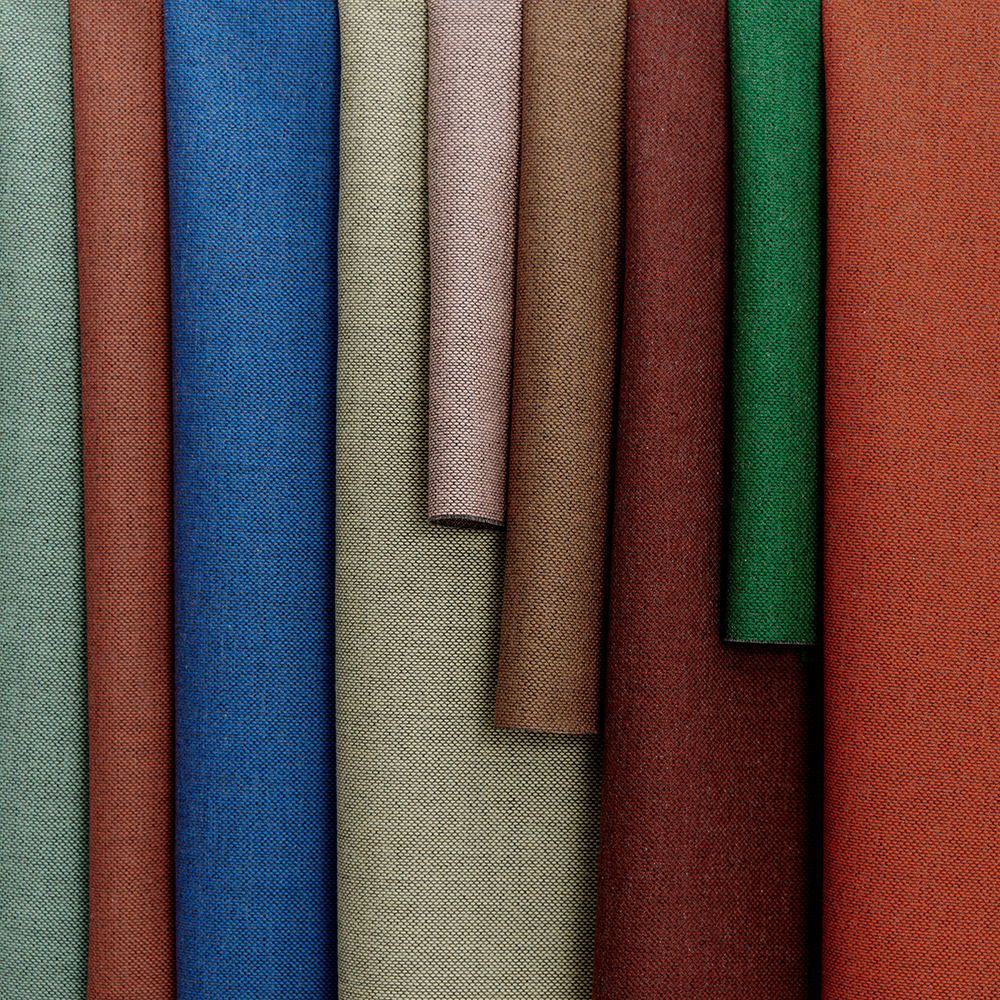
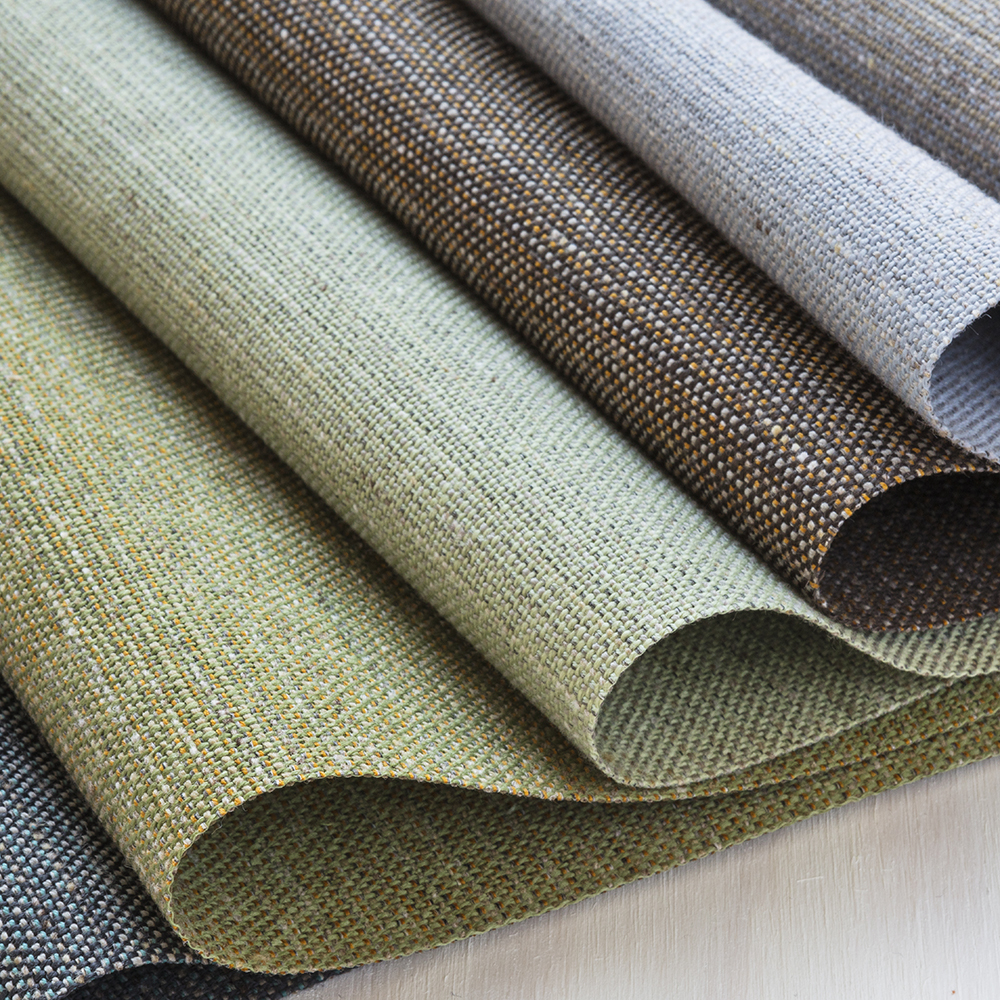
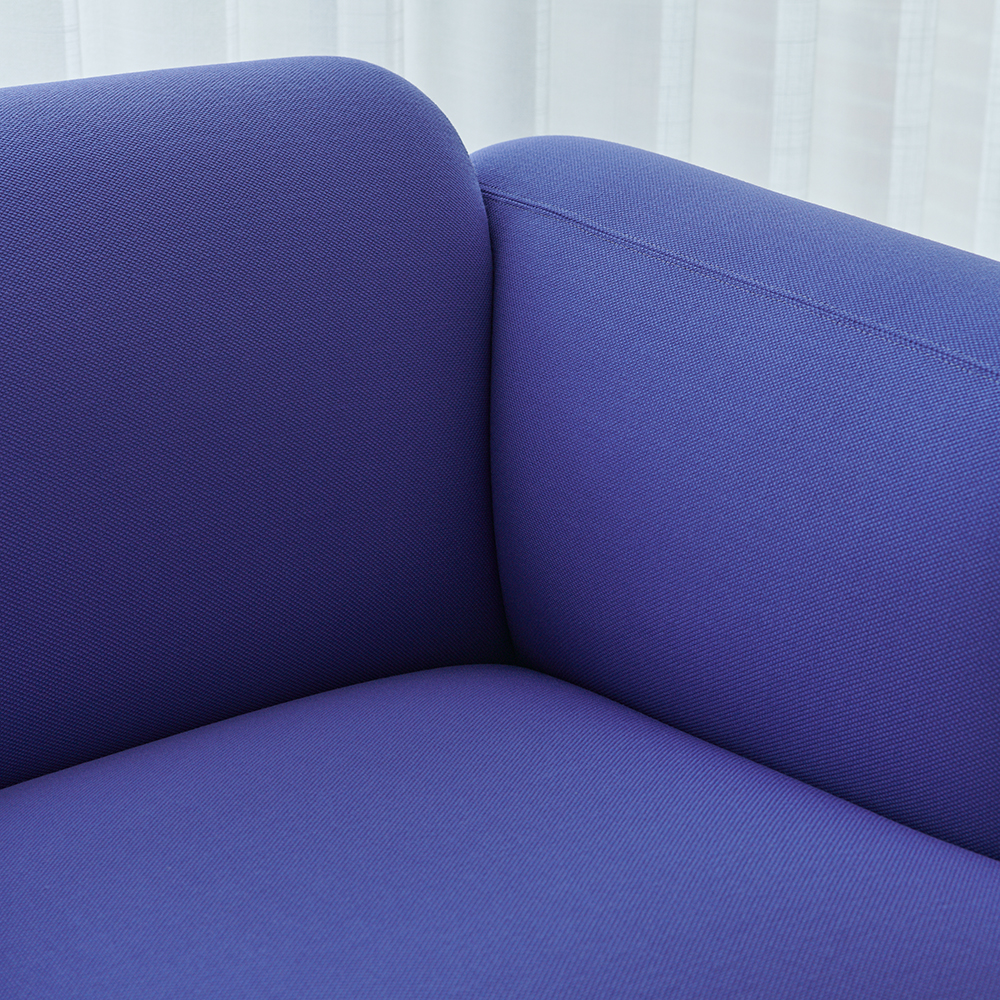
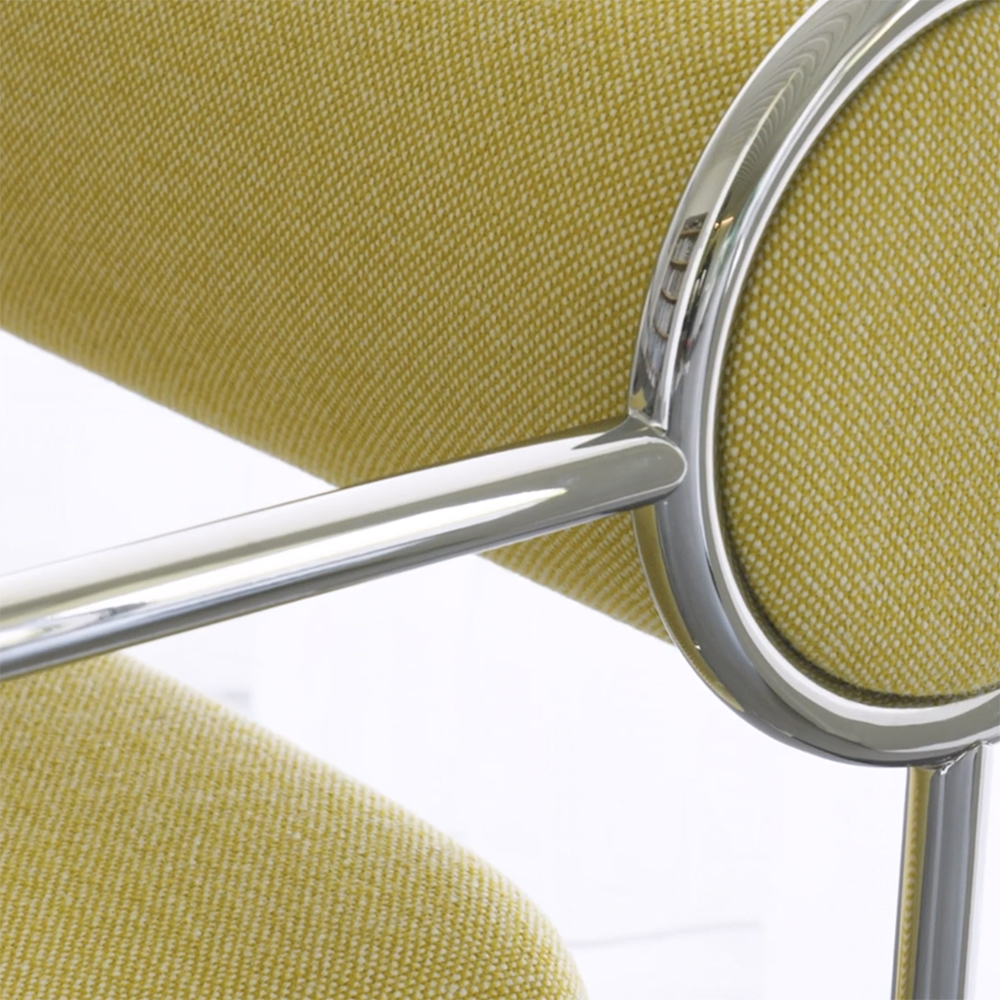
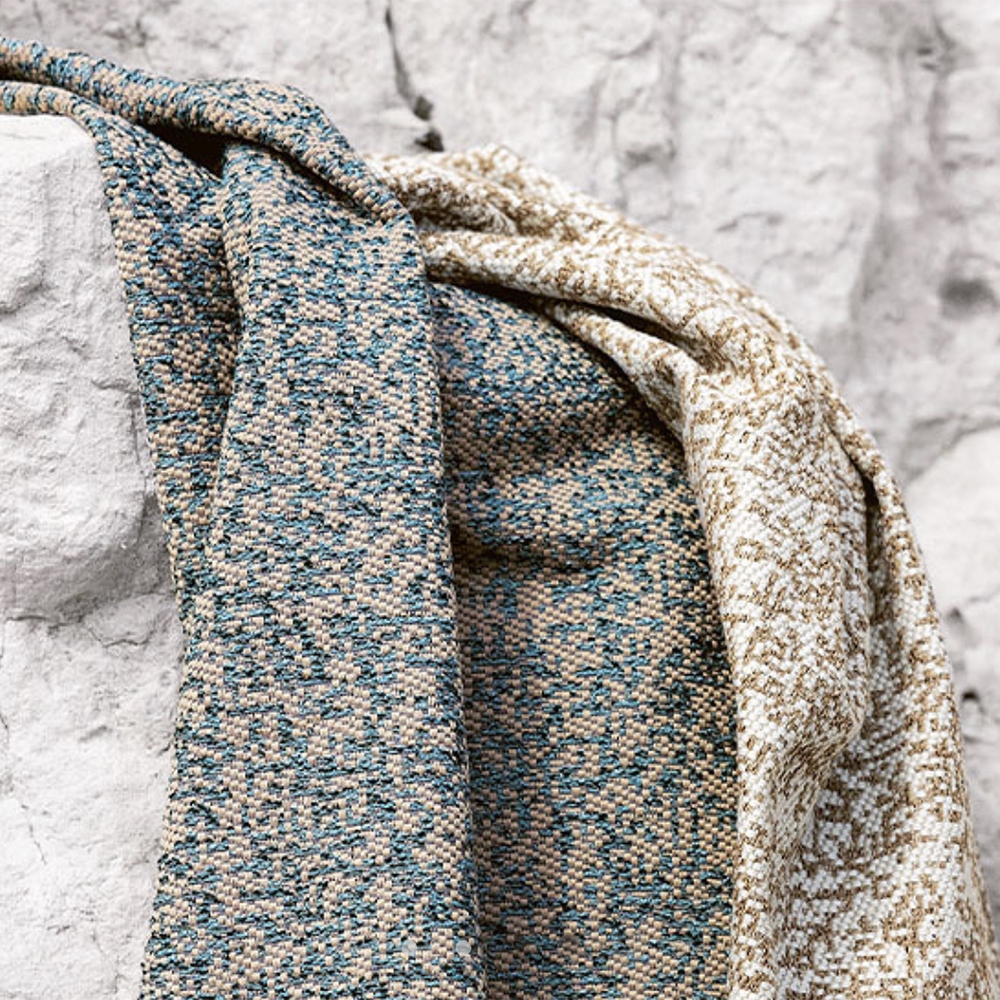
Price Class E
QUALITY AND ENVIRONMENT
Different interiors and areas of use place different demands on textiles, and this is something you should consider when choosing your favorites. Below, we have created a short guide to help you make the right choice, including a brief description of the most common testing methods and what the results can tell you about the textile’s properties.
Martindale
Martindale is one of the most commonly used methods in Europe for evaluating a fabric’s durability. The method simulates natural wear on the material, and a higher value indicates better resistance to abrasion. For spaces with high traffic and intensive use, we recommend a Martindale value of at least 40,000.
Pilling
Pilling is a phenomenon that occurs during use and is caused by abrasion on the textile surface. Pills are small formations of lint and tangled fibers attached to the surface. Textiles have varying tendencies to pill, and this tendency can be evaluated through specific test methods. The result is measured on a scale from 1–5, where 5 represents a very low tendency to pill.
Fire Test
The purpose of fire testing is to provide insight into a fabric’s ignitability and flame spread. Standards define how quickly fire may spread in a product for it to be considered safe. Unfortunately, there is no single international standard for upholstery and screen fabrics, but rather many different regulations, standards, and methods.
Light Fastness
Describes the fabric’s ability to retain its color and resist fading when exposed to daylight and UV light. The textile is rated on an 8-point scale where 8 is the best result. By choosing a fabric with a light fastness rating of at least 5, the risk of visible changes is significantly reduced. 5 is the lowest accepted value among our fabrics and indicates very good light fastness.
Color Fastness to Rubbing
Evaluates the degree of color transfer from the textile/fabric surface to another surface. The result is determined through rubbing in wet and dry conditions. The evaluation is graded on a 5-level scale where a higher value indicates better resistance.
Environment
We always strive to find the most environmentally friendly alternatives for our range. Many of our textiles carry the Oeko-Tex certification, and several are also certified with the EU Ecolabel and the Nordic Swan Ecolabel.